
High-Functioning First Responders: When You’re Always “Fine” But Carrying Trauma
There is a certain kind of person who becomes very good at being “fine.”
They know how to keep moving. They know how to stay calm in emergencies. They know how to walk into a crisis, assess what needs to happen, and do the job in front of them. They are often the person everyone else depends on because they do not fall apart when things get hard.
For many first responders, that ability is part of the work. Firefighters, EMTs, paramedics, police officers, dispatchers, emergency nurses, military personnel, and other crisis workers are trained to respond under pressure. You learn how to function when other people are scared. You learn how to make decisions quickly. You learn how to compartmentalize because sometimes there is no time to feel what just happened.
But what I want to talk about is what happens when “I’m fine” becomes the only language you know how to speak.
As a trauma therapist, I have sat with many high-functioning people who look steady from the outside while carrying years of stress, grief, vicarious trauma, and unprocessed experiences underneath. First responders are often especially skilled at this. They may still be showing up to work, taking care of their families, answering calls, managing emergencies, and being the dependable one, while privately feeling numb, irritable, exhausted, disconnected, or haunted by things they do not know how to put into words.
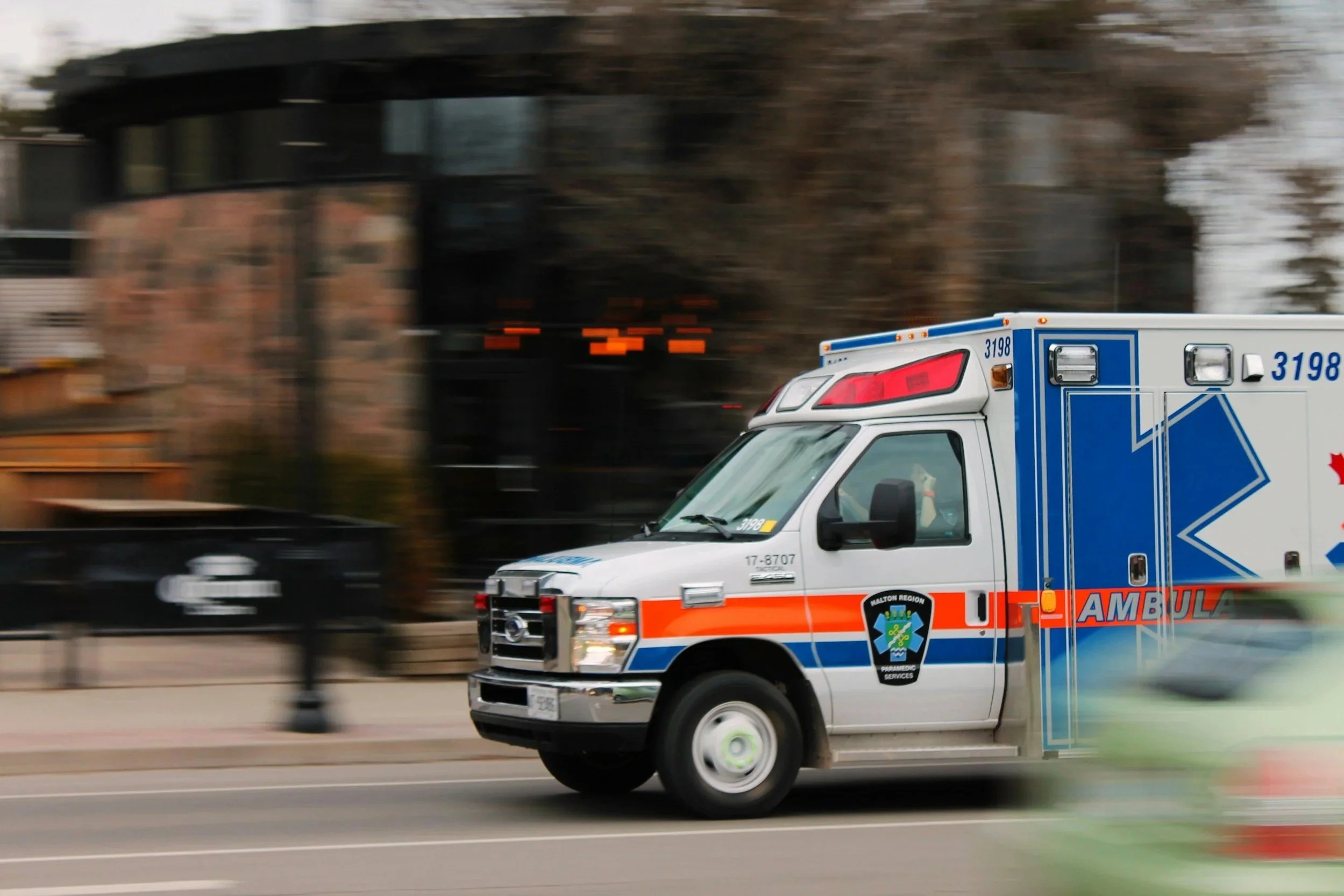
Why First Responders Are So Often High-Functioning
High-functioning does not always mean healthy. Sometimes it means your nervous system learned a long time ago that stopping did not feel safe.
Many first responders are naturally drawn to helping roles because they are compassionate, capable, protective, and calm under pressure. Some grew up in homes where they had to become aware of everyone else’s mood before their own. Some learned early how to read a room, manage chaos, stay useful, and not need too much. For some people, becoming the helper or protector feels familiar long before it becomes a career.
That does not mean every first responder has childhood trauma, and it does not mean choosing this work is unhealthy. Many people enter these roles from a deep sense of purpose, service, faith, family legacy, or community care. But it is important to name that for some, the role can quietly reinforce an old pattern: I am safe when I am useful. I am valuable when I am needed. I can handle anything as long as I do not stop to feel it.
That pattern can make someone exceptional in a crisis, but exhausted in their actual life.
What High-Functioning Trauma Can Look Like in First Responders
High-functioning trauma can be difficult to recognize because, from the outside, things may look fine. You may be the person who goes to work, pays the bills, handles the schedule, makes people laugh, shows up for your family, and insists you are okay because you are still functioning.
But functioning is not the same as being well.
For first responders, trauma can show up as being unable to relax even when nothing is wrong. It can look like irritability that seems to come out of nowhere, needing control at home because work feels unpredictable, feeling emotionally distant from your partner or children, struggling to sleep, replaying calls or scenes in your mind, feeling numb, becoming more cynical, or feeling like regular life has started to feel strangely disconnected from you.
Sometimes it shows up in the body first. Headaches, stomach issues, chronic tension, fatigue, jaw clenching, chest tightness, or constantly feeling on edge. Sometimes it shows up in relationships, where the people closest to you notice you are there physically but not really present emotionally.
A lot of first responders do not reach out for therapy because they do not think things are “bad enough.” They tell themselves other people have seen worse. They minimize what they are carrying because the job normalizes exposure to things most people are never expected to witness. But repeated exposure does something to the nervous system. Even when you are trained for the job, you are still human.
Vicarious Trauma and the Cost of Witnessing Pain
Vicarious trauma happens when you are repeatedly exposed to other people’s suffering, danger, grief, injury, fear, or loss. First responders often witness people on some of the worst days of their lives, then are expected to move to the next call, the next shift, the next emergency, the next family obligation.
There is not always space to process what happened. There is not always permission to feel. Sometimes there is barely time to drink water or breathe before the next thing demands your attention.
Over time, your brain and body can begin to adapt to that level of exposure. You may become hypervigilant because your nervous system is always scanning for danger. You may become numb because feeling everything would be too much. You may withdraw because explaining what you have seen feels impossible. You may become angry because anger feels more accessible than grief.
The Substance Abuse and Mental Health Services Administration has reported that first responders are at increased risk for behavioral health concerns, including depression and post-traumatic stress symptoms. The National Institute of Mental Health also notes that PTSD symptoms can include feeling tense or on edge, sleep problems, irritability, difficulty concentrating, and being easily startled — all things many first responders may dismiss as “just part of the job.”
I want to be very clear: common does not mean harmless.
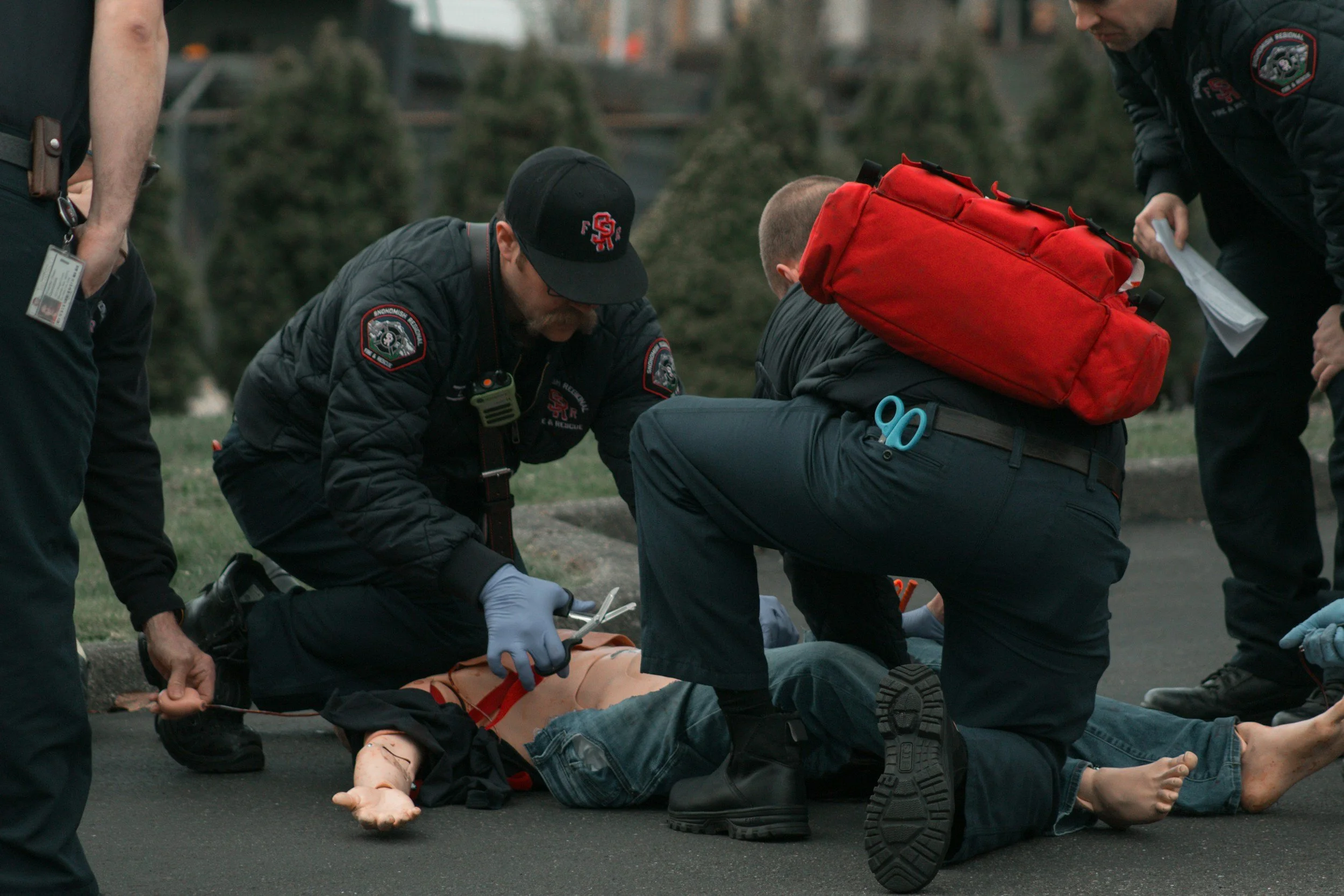
EMD Therapy for First Responders
EMD therapy can be especially supportive for first responders because it offers a more focused and contained way to work with distressing memories, without needing to explain every detail perfectly or retell traumatic experiences over and over again. EMD stands for Eye Movement Desensitization, and it can help reduce the emotional charge connected to specific memories, images, moments, or body responses that still feel activated in the present.
You may have heard of EMDR, which stands for Eye Movement Desensitization and Reprocessing. EMD and EMDR are related, but they are not exactly the same (click here to watch a video breaking down the difference). EMDR is a broader therapy approach that includes both desensitizing distressing memories and reprocessing the meaning attached to them. EMD is more focused on reducing the intensity of a specific memory or trigger, helping the nervous system feel less activated by what happened. For some people, especially those carrying very specific traumatic moments, EMD can be a gentler and more contained place to begin.
For first responders, this matters because trauma is not always one single event. Sometimes it is the accumulation of calls, scenes, losses, close calls, moral injuries, and moments where you had to keep functioning because the job required it. You may not think of one specific experience as “the trauma,” but your body may still be carrying pieces of what you have witnessed, absorbed, or had to push through.
In 1:1 EMD therapy, we can work gently and intentionally with the experiences that still feel charged in your nervous system. That might be a specific call that still comes back at night, a moment where you felt helpless, a scene your mind keeps replaying, a childhood memory that gets activated by your work, or the belief that you always have to be the strong one.
EMD is not about erasing what happened or pretending it did not affect you. It is about helping your nervous system reduce the intensity of what you are carrying so those memories no longer feel as present, overwhelming, or controlling in your day-to-day life. For many high-functioning first responders, this work can create space to finally stop pushing through and begin feeling more grounded, steady, and connected again.
You Do Not Have to Wait Until You Break
I think many high-functioning first responders wait too long to get support because they assume therapy is only for when everything falls apart. But therapy can also be where you go before your body forces you to stop.
You do not have to wait until your marriage is strained, your sleep is gone, your anger is scaring you, or you feel completely disconnected from yourself. You do not have to wait until you have a diagnosis or a crisis. If you are carrying things you cannot seem to put down, that is enough reason to reach out.
There is nothing weak about wanting to feel human again.
There is nothing dramatic about needing space to process what you have witnessed.
There is nothing wrong with admitting that being “fine” has started to cost too much.
1:1 EMD Therapy for First Responders in Florida, Tennessee, and New York
I’m Tisheila Justice, a trauma-informed therapist offering 1:1 EMDR and EMD therapy for clients in Florida, Tennessee, and New York. I work with people who are used to being the strong ones: first responders, high-functioning professionals, parents, caregivers, and those who have learned to survive by holding everything together.
In therapy, we do not rush to take away the coping strategies that helped you survive. We get curious about them. We understand why they developed. Then we begin helping your nervous system learn that you can be safe without being constantly on guard.
If you are a first responder who looks “fine” on the outside but feels like there is a lot happening underneath, you do not have to carry it by yourself anymore.
1:1 EMD therapy can be a place to finally stop performing okay and start tending to what has been asking for care.
Reach out when you are ready. I’d be honored to support you.