
The Difference Between Postpartum Depression for Moms and Dads
Why both parents’ mental health matters and how therapy can help
Why We Need to Talk About Both Parents
Most of the conversation around postpartum emotional struggles focuses on mothers, and for good reason: up to 1 in 8 new moms experience postpartum depression in the months after childbirth. Yet in reality, most moms receive very little structured support, and their primary (sometimes only) source of emotional and practical support is typically their partner, who is also adjusting, exhausted, and overwhelmed.
What often gets missed is that when postpartum depression goes unaddressed in moms, and undiagnosed in dads, couples don’t just struggle individually, they start to experience each other as the problem. Instead of feeling like teammates, they can begin to feel isolated, misunderstood, or even in opposition, without realizing that both of them may be dealing with depression at the same time.
Research consistently shows that partners of postpartum mothers have a significantly higher risk of developing postpartum depression themselves, making the entire family system more vulnerable. As a trauma-informed therapist supporting families across Florida, Tennessee, and New York, I want to break down the real differences in postpartum depression (PPD) for moms and dads what to watch for, why it matters for your relationship, and when to reach out for support.
What Is Postpartum Depression?
“Postpartum” or “postnatal” depression isn’t just feeling overwhelmed or tired, it’s a diagnosable mood disorder that can affect parents during pregnancy or within the first year after giving birth. You can learn more via this detailed overview by the NCBI.
Symptoms can include:
Persistent sadness or hopelessness
Loss of interest in things you used to enjoy
Difficulty bonding with your baby
Severe anxiety, irritability, or panic
Changes in eating or sleeping
Trouble concentrating
For moms, this experience is widely recognized and screened for in standard care. But for dads? It’s often ignored despite affecting an estimated 8–13% of fathers in the first year of parenthood.
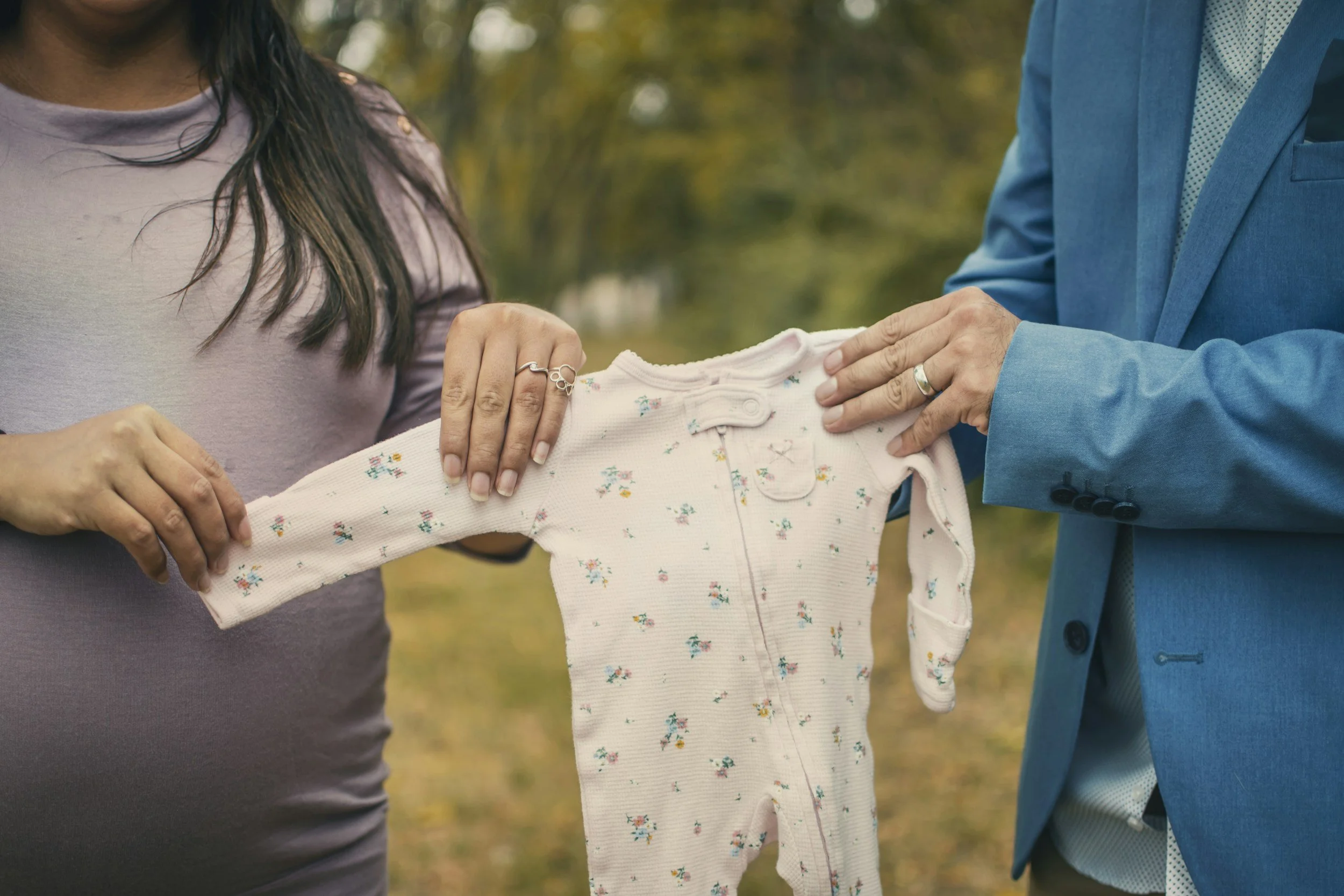
A close-up photo of two partners holding a baby outfit between them, representing how both parents are impacted by emotional changes during the transition into parenthood.
How Postpartum Depression Typically Manifests in Moms
Common Maternal PPD Patterns
Mothers are more likely to experience:
Deep sadness and tearfulness
Feelings of guilt about not bonding
Intense anxiety about parenting
Mood swings
Disrupted sleep even when baby sleeps
These symptoms often emerge in the first few weeks to months after childbirth and overlap with physical changes like hormonal shifts and sleep deprivation. It’s why maternal PPD is widely screened for in postpartum visits and well-baby checks.
You can explore more statistics and facts here via PostpartumDepression.org.
How Postpartum Depression Can Look Different in Dads
Paternal PPD Isn’t Rare, It’s Just Understood Less
Research consistently shows that fathers can develop postpartum depression too, with prevalence estimates around 8–10%.
Yet it’s rarely screened for routinely.
Because of social expectations — especially around masculinity and “being strong” fathers may experience symptoms differently, including:
Irritability or anger
Emotional numbness
Loss of interest in life or hobbies
Increased substance use
Fatigue and lack of motivation
Difficulty bonding in ways others recognize
And significantly, if a mother is going through postpartum depression, a father’s risk increases.
Key Differences in Timing and Recognition
Timing Variations
Moms often experience PPD soon after birth, with screening beginning in the hospital and continuing with pediatric and OB/GYN visits.
Dads may develop symptoms later — sometimes 3–6 months postpartum or even up to a year later, as shared by the Wikipedia entry on postpartum depression.
Recognition Challenges
Because fathers aren’t routinely screened, paternal PPD can:
Go unnoticed by healthcare providers
Be misattributed to “stress” or “adjustment”
Be masked by coping behaviors like workaholism or withdrawal
This means dads can silently struggle for months while caregiving, supporting a partner, and trying not to feel like they’re failing.

A family sitting together on a bed with a newborn baby and older child, reflecting the emotional and relational dynamics of early parenthood.
Why This Matters for Your Family
Postpartum depression doesn’t just impact the individual; it affects relationships, attachment, and family well-being.
Paternal depression has been associated with:
Reduced engagement with baby’s health
Marital or co-parenting strain
Increased maternal stress
This isn’t about blame. It’s about understanding that the transition to parenthood is a massive psychological shift. For more on that, see this clinical review.
What Therapy Can Do For Moms, Dads, and Families
Whether you’re a mom or a dad, therapy can help you:
Understand and name what you’re going through
Learn how to cope with big emotions, anxiety, or numbness
Rebuild trust in your ability to show up as a parent
Navigate relationship changes and communication blocks
Regulate your nervous system so you can feel steady again
If any of this feels familiar, please know: it’s valid, it’s common, and it’s treatable.
And you don’t have to do it alone.
Therapy for Postpartum Depression in Florida, Tennessee & New York
I’m Tisheila Justice, a trauma-informed therapist and coach specializing in postpartum depression, parenting transitions, and nervous system healing. I support mothers, fathers, and caregivers navigating the messy middle of healing while raising kids.
I offer virtual therapy to clients in Florida, Tennessee, and New York.
Click here to get in touch, book a consult, or start your therapy journey
Because you deserve to feel like you again and your family deserves a parent who feels supported, not silently struggling.